Leave Your Message
0%

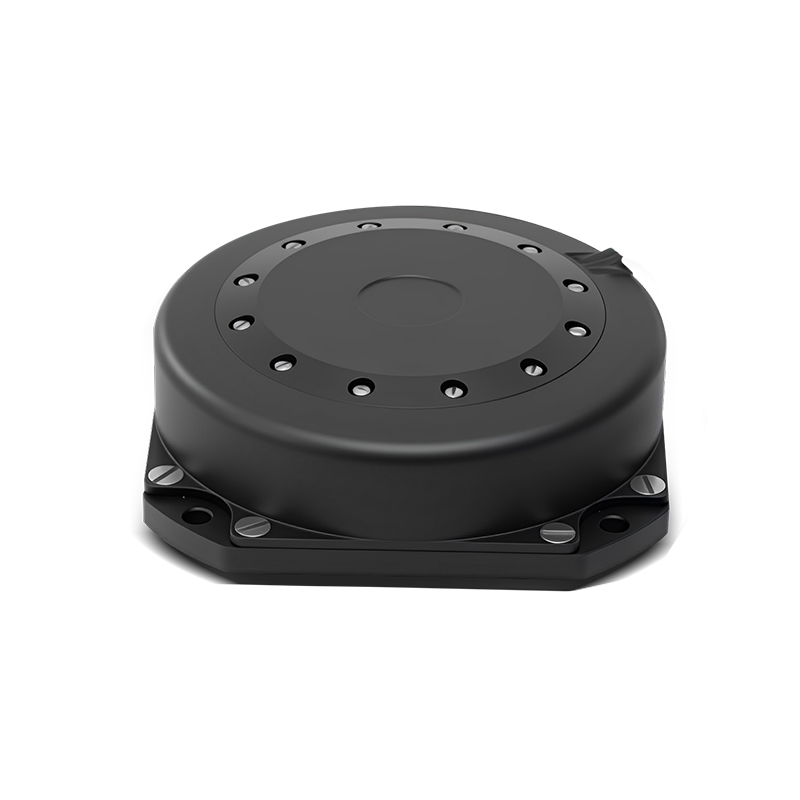
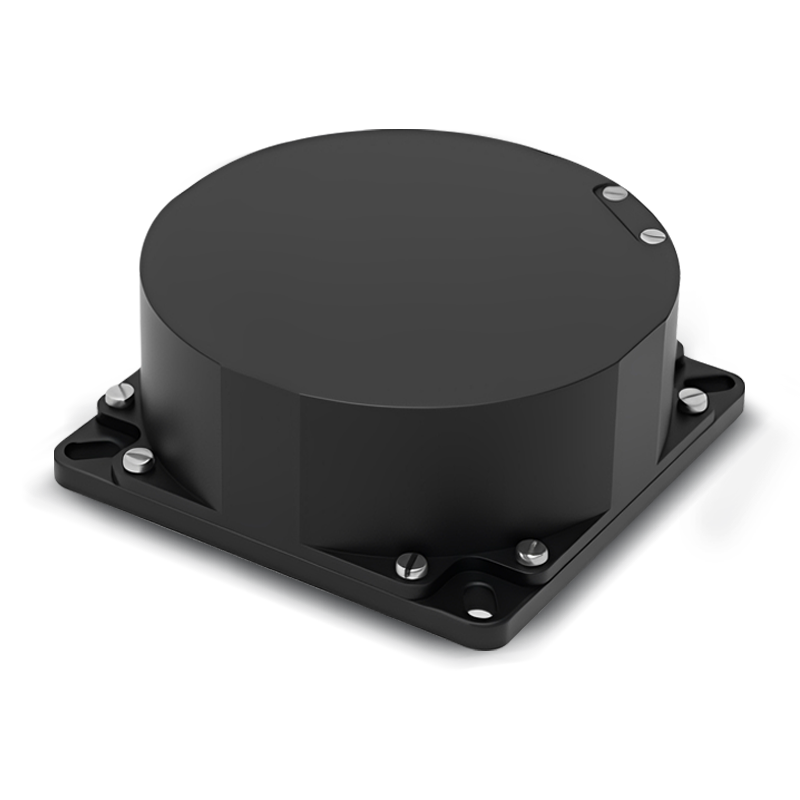
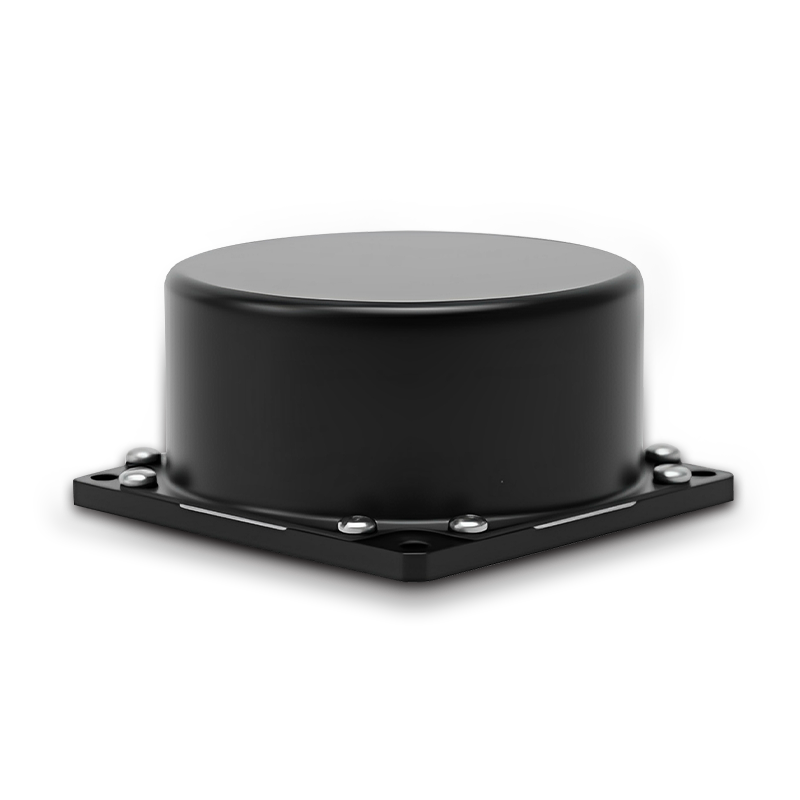
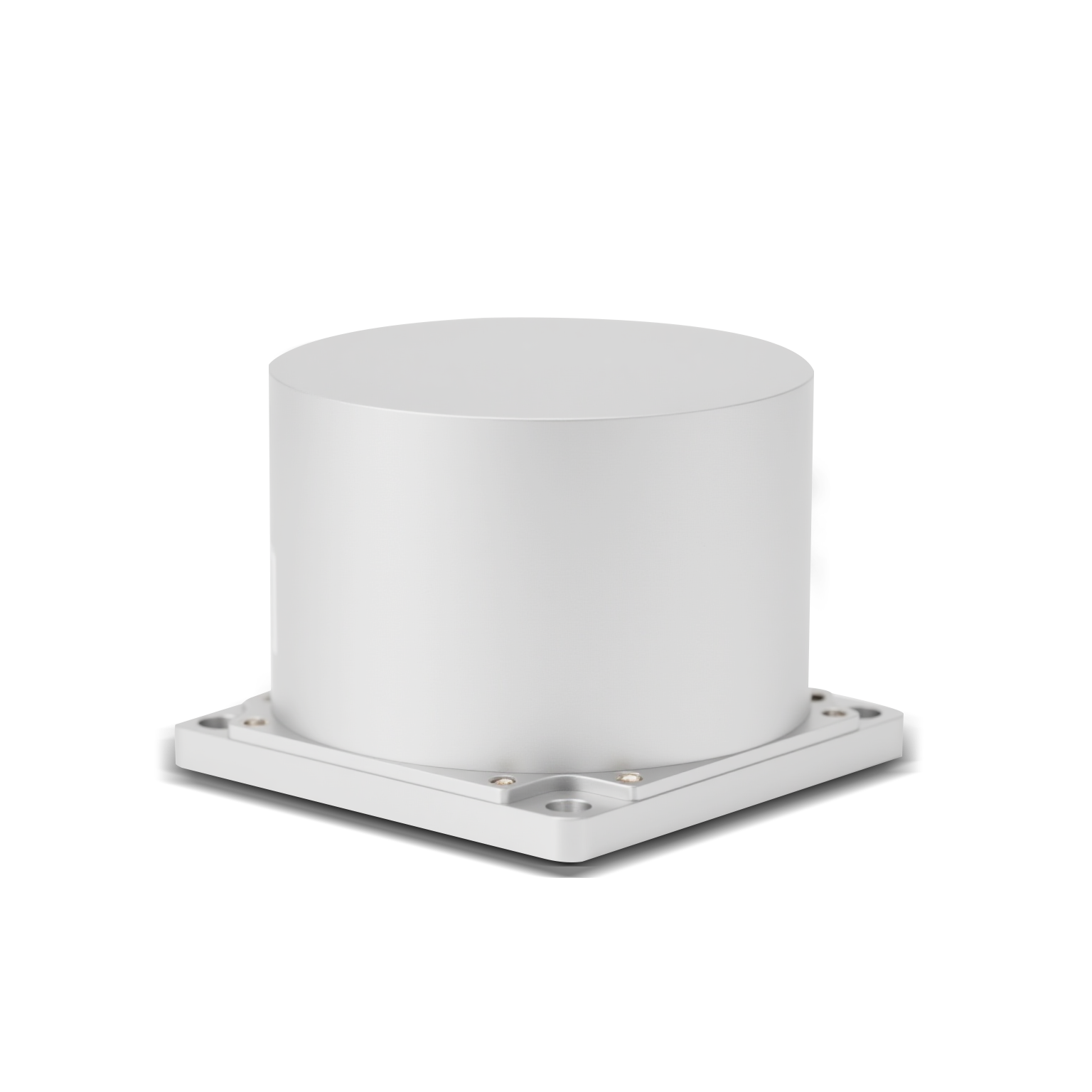
You know, with all the tariffs and trade tensions heating up between the U.S. and China, it’s pretty impressive to see how China’s manufacturing sector is holding its ground. It’s a story of resilience and innovation—talk about adapting to the circumstances! A big part of this narrative is the role of advanced tech, especially the Inertial Sensor System. This system has really taken off, helping companies with spot-on navigation and control, which boosts efficiency and accuracy in manufacturing processes. Take companies like Beijing Huayu Technology and Shenzhen Senxingda Technology, for instance. They’re leading the pack by using these Inertial Sensor Systems to streamline their operations and keep ahead of the competition. Even with the challenges that tariffs bring, the smart use of these state-of-the-art solutions lets Chinese manufacturers not only survive but really thrive in a market that’s changing fast. As we dive deeper into how technology and industry are interacting, it’s easy to see that the Inertial Sensor System isn’t just some fancy tool—it’s genuinely a game changer for ongoing growth in China’s manufacturing scene.
How the Best Inertial Sensor System Fuels China's Manufacturing Growth Amidst US-China Tariff Challenges

Role of Inertial Sensors in Modern Manufacturing

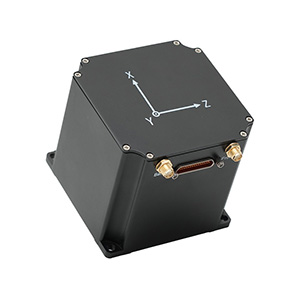
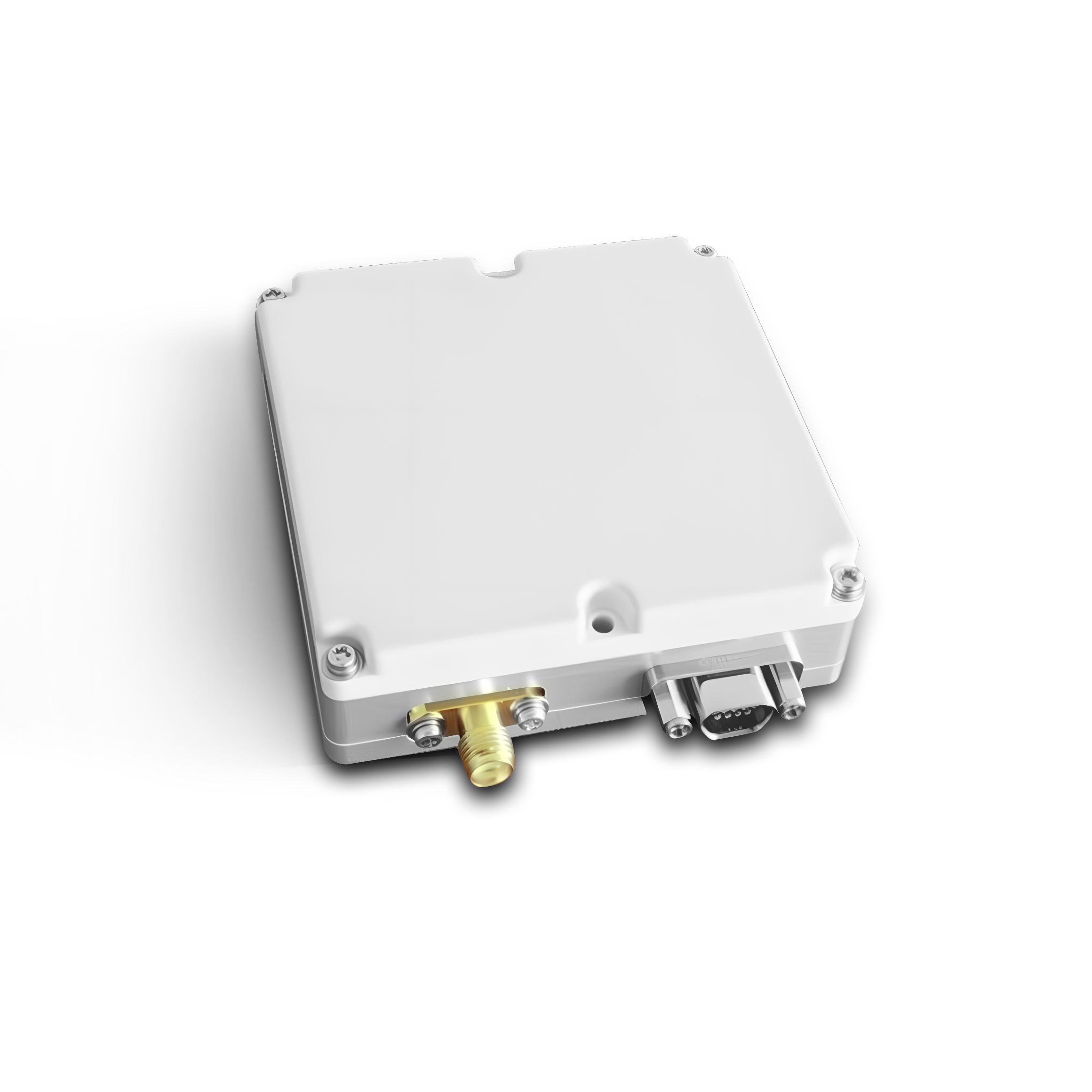
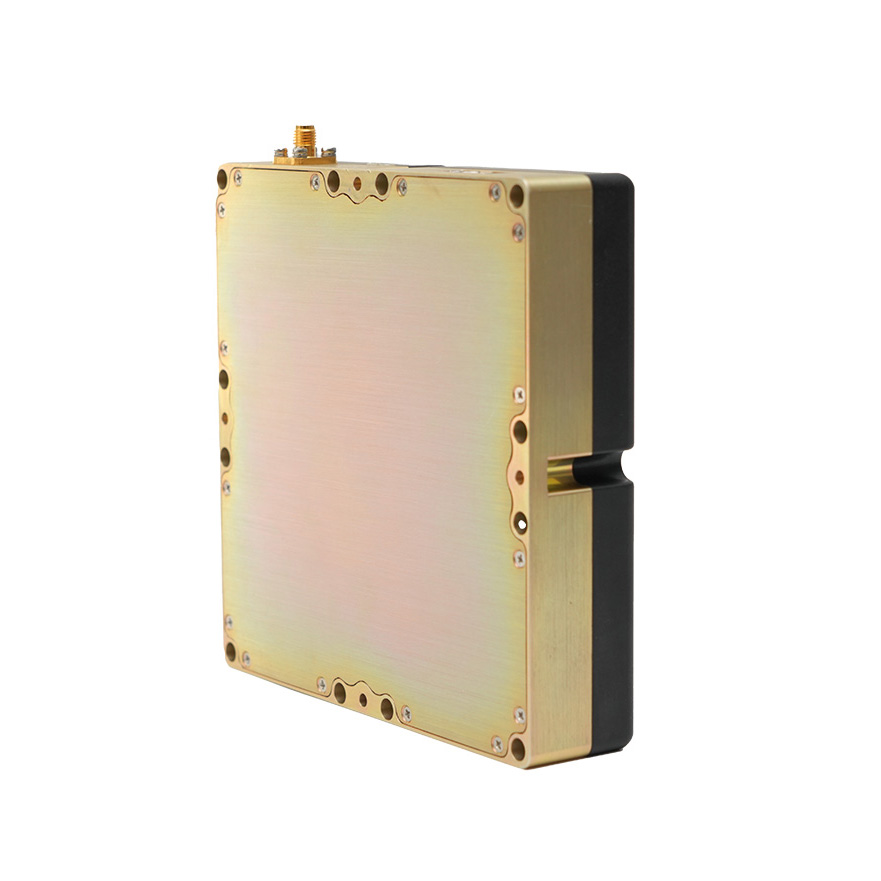
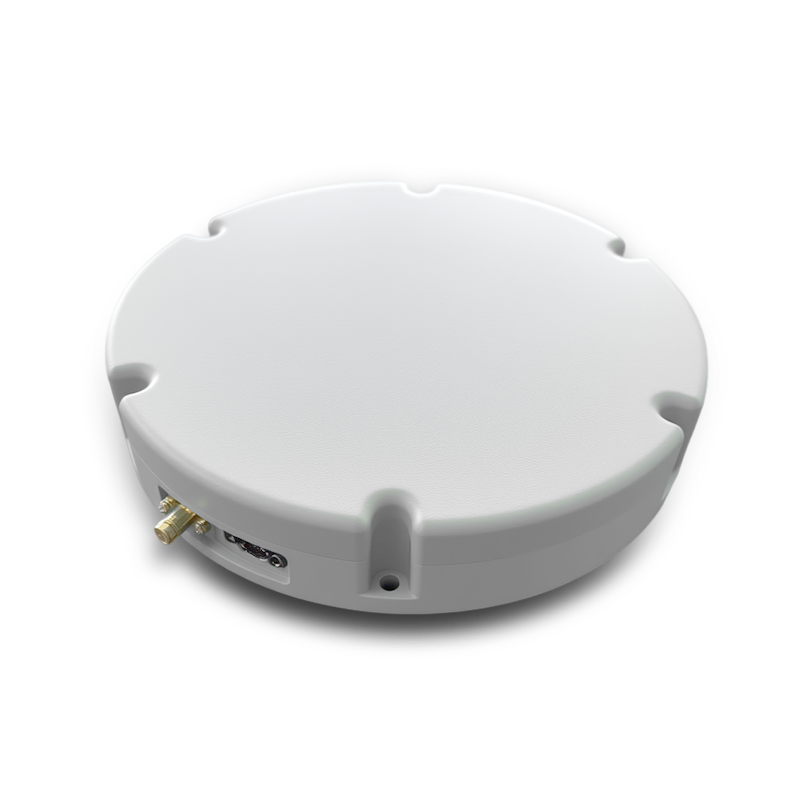
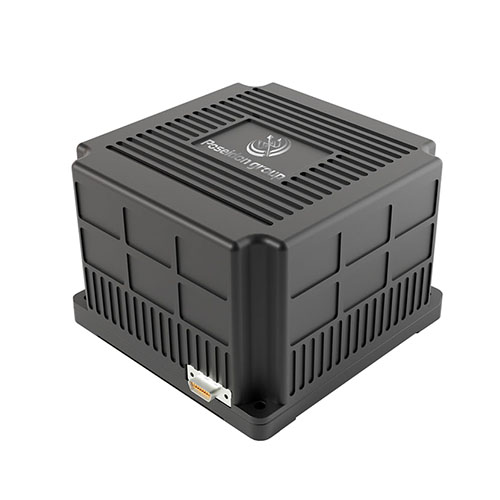
You know, in today’s world of manufacturing, inertial sensors have really become essential. These little devices, especially Inertial Measurement Units or IMUs, are key players in making manufacturing processes more precise and automated. They’re used in all sorts of applications, from robotics to automotive systems, helping manufacturers ramp up their efficiency and productivity. Thanks to their knack for providing super accurate motion tracking, machines can run smoothly—something that’s super important for staying competitive in the industry.

Take advanced driver assistance systems, for instance; they showcase just how much these sensors are raising the bar for manufacturing standards. As the automotive industry shifts towards more automation and smarter tech, the need for top-notch inertial sensors keeps rising. These gadgets don’t just make operations smoother; they also play a big part in creating innovations that boost safety and reliability. And with all the challenges brought on by tariffs, the evolution of this technology is perfectly in line with China’s manufacturing goals. It really shows how intertwined the growth of manufacturing is with sensor tech.
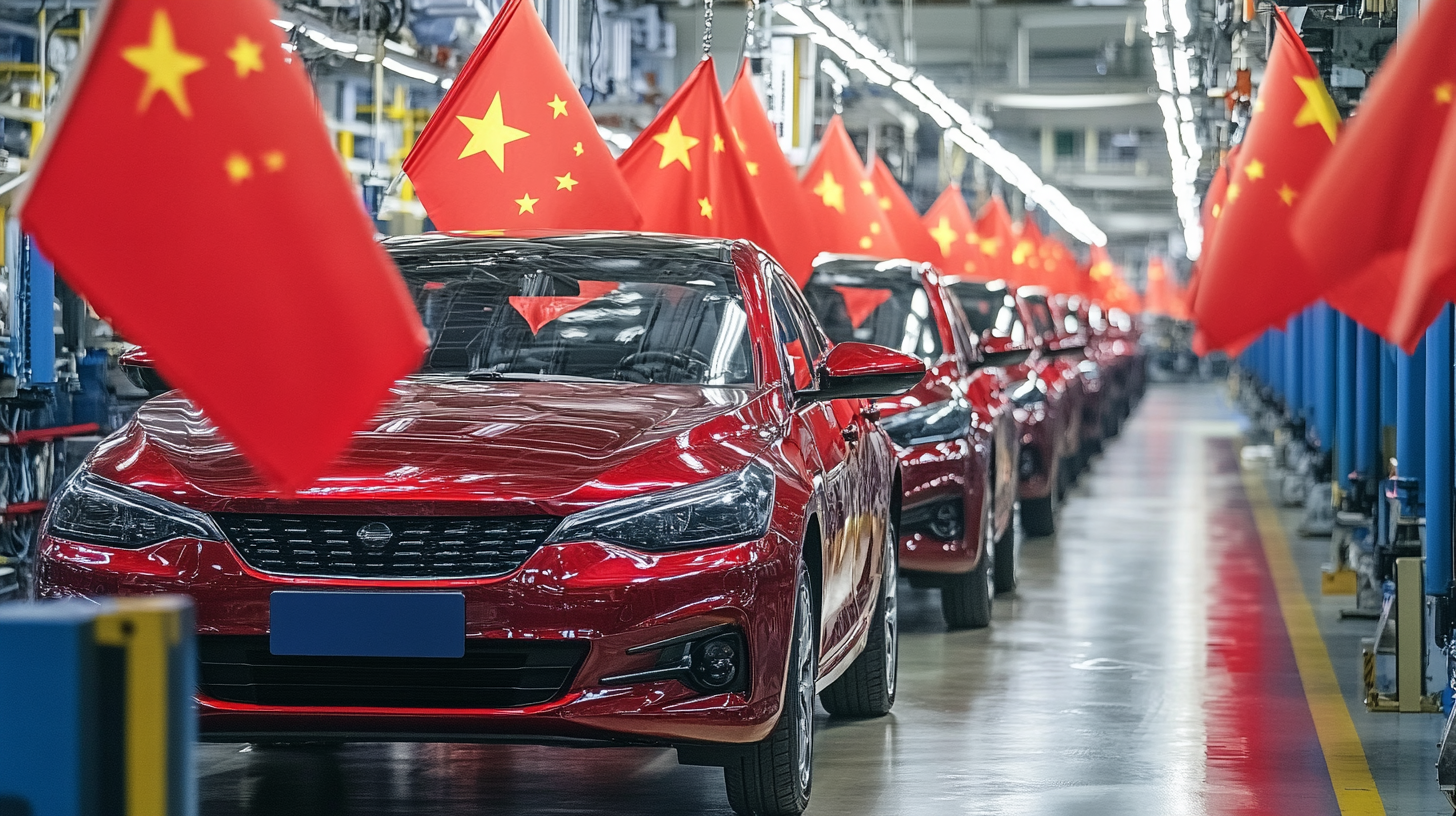
How the Best Inertial Sensor System Fuels China's Manufacturing Growth Amidst US-China Tariff Challenges

Impact of US-China Tariffs on Supply Chain Dynamics

So, you know, the trade tensions between the US and China have really shaken things up when it comes to supply chains. It's not just a minor tweak; it’s a big deal for manufacturers out there. With all these tariffs coming into play, a lot of companies are taking a hard look at where they’re sourcing their materials, trying to cut back on their reliance on Chinese suppliers. This shift isn’t just some random change; it’s become essential for firms trying to dodge the risks that come with tariff fluctuations. As a result, manufacturers are on the hunt for alternatives in other regions, which might just lead to a whole new vibe in global trade relations.

And let’s not forget the recycling and waste sectors, which usually don’t get much love in talks about tariffs. They’re really feeling the heat too. There are proposed tariffs on goods from Canada and Mexico that could totally mess with the flow of waste and recycling shipments across borders, making it even trickier for companies aiming for sustainable manufacturing. Plus, while China deals with the weight of those US tariffs, it’s still super important in recycling and materials processing, which really keeps their manufacturing sector running. So, these changing trade policies are shaking up not just the immediate economic stuff but also pushing industries to think outside the box and adapt to this new global market landscape.

Strategies for Chinese Manufacturers to Adapt and Thrive

With the ongoing tariff issues between the US and China heating up, many Chinese manufacturers are turning to advanced tech like inertial sensor systems to stay competitive. These high-tech sensors aren’t just about making things more precise; they also help automate processes, which means companies can keep production running smoothly and save on costs at the same time. By investing in this kind of technology, manufacturers can run their operations more efficiently and become less vulnerable to outside economic pressures.

To really thrive in this changing landscape, it's super important for Chinese companies to embrace flexible supply chain strategies. By mixing up their suppliers and materials, they can better handle the risks that come with fluctuating tariffs. Plus, teaming up with local research institutions can spark some innovation in product development, helping these businesses stay ahead of international rivals. And let’s not forget about investing in workforce training focused on these new technologies; that way, manufacturers can quickly adjust to changing market demands, setting themselves up for lasting growth, even when challenges arise.

Inertial Sensor System Market Share by Application (2023)

Technological Innovations Driving Manufacturing Growth

You know, with the ongoing U.S.-China tariff spat getting more intense, it seems like China's manufacturing sector is really stepping up its game. They’re diving into some seriously cool tech innovations, especially in inertial sensor systems, just to keep things moving forward and even grow. I came across a report from the International Federation of Robotics that says the Chinese robotics market is projected to hit a whopping $45 billion by 2025! This growth is largely thanks to some exciting advancements in automation and sensor tech. Inertial sensors are like the unsung heroes here, giving manufacturers way more precise control for all sorts of applications, from robotics to self-driving cars, which is really cranking up productivity in manufacturing processes.

But it doesn’t stop there! A study from Research and Markets points out that the global inertial measurement unit market – which is a key piece of this whole sensor puzzle – is on track to soar to $23 billion by 2026. A big reason for this jump is all the investments pouring into China’s manufacturing capabilities. These innovative technologies are not just helping Chinese manufacturers deal with the tough tariff challenges, but they're also putting them in a strong position as global leaders in manufacturing efficiency. By constantly bringing in cutting-edge sensor tech, these manufacturers are shaking things up in the industry and showing just how resilient and adaptable they can be in this fast-changing market landscape.

Future Outlook: Sustaining Growth Amid Global Trade Tensions

With trade tensions ramping up globally—especially between the US and China—the manufacturing scene in China is really stepping up its game by tapping into the latest advancements in inertial sensor tech. Just check out a report from ResearchAndMarkets that says the inertial sensor market's expected to grow about 5.7% a year, which could push its value to around $14 billion by 2026. This tech evolution is a game-changer, boosting precision in everything from robotics to self-driving cars, and it definitely gives China a leg up in the manufacturing game.

As tariffs throw a wrench into traditional supply chains, manufacturers are gearing up to integrate these smart sensors into their processes. A McKinsey study even found that companies making the switch to advanced sensor technologies can see productivity boosts of up to 20%! This transition helps them dodge some of the tariff-related headaches by fine-tuning their operations and cutting costs. Plus, by continually investing in these technologies, they're not just dealing with current challenges—they're also setting themselves up to take the lead in the global market, ensuring steady growth even when geopolitical situations get a little shaky.

How the Best Inertial Sensor System Fuels China's Manufacturing Growth Amidst US-China Tariff Challenges

FAQS

: What is driving growth in China's manufacturing sector despite tariff challenges?

: China's manufacturing sector is turning to technological innovations, particularly in inertial sensor systems, to sustain and enhance its growth amid escalating U.S.-China tariff challenges.

What is the projected value of the Chinese robotics market by 2025?

The Chinese robotics market is poised to reach $45 billion by 2025, largely driven by advancements in automation and sensor technologies.

Why are inertial sensors important for manufacturing processes?

Inertial sensors enable more precise control in various applications, such as robotics and autonomous vehicles, thereby boosting productivity in manufacturing processes.

What is the expected growth of the global inertial measurement unit market by 2026?

The global inertial measurement unit market is expected to grow to $23 billion by 2026, with significant growth attributed to increased investments in China's manufacturing capabilities.

How do technological innovations impact productivity in manufacturing?

Firms that embrace advanced sensor technologies can realize a productivity increase of up to 20%, optimizing processes and reducing operational costs.

What is the compound annual growth rate (CAGR) of the inertial sensor market projected between now and 2026?

The inertial sensor market is projected to grow at a CAGR of 5.7%, reaching a value of approximately $14 billion by 2026.

How are Chinese manufacturers positioning themselves in the face of global trade tensions?

Chinese manufacturers are continuously integrating cutting-edge sensor technology to counter external pressures and redefine industry standards, ensuring resilience and adaptability.

What role do inertial sensors play in enhancing competitive edge?

The incorporation of inertial sensors into production lines enhances precision and efficiency, reinforcing China's competitive edge in manufacturing amidst global trade tensions.

What benefits do manufacturers gain from investing in inertial sensor technology?

Sustained investment in inertial sensor technologies helps manufacturers navigate challenges posed by tariffs and positions them as leaders in the global market for long-term growth.

Sophie

Sophie

Sophie is a dedicated marketing professional at Poseidon, a pioneering company established in 2013, specializing in the independent research, design, and production of advanced technologies, including fiber optic gyroscopes (FOG), inertial navigation systems (INS), and autonomous driving systems.......
Next Resilient Growth in Chinese Manufacturing: The Rise of Best Inertial Navigation Sensors Amid Tariff Challenges