Leave Your Message
0%

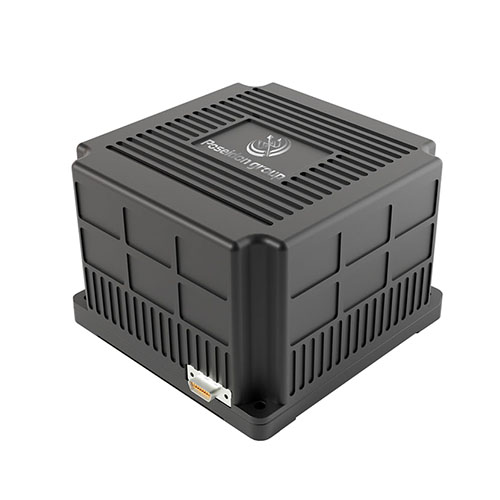
Lately, when you think about maritime operations, one technology that's really been making waves is [Gyroscope Ship Navigation](https://www.navigationins.com/gyroscope-ship-navigation). It’s become pretty much essential out at sea. I read that the International Maritime Organization (IMO) says almost 90% of global trade depends on ships — that’s a massive chunk of the world's commerce! This just shows how crucial good navigation systems are for keeping ships safe and running smoothly. And, honestly, as we head into 2026, it looks like these advanced gyroscopic techs are about to totally change the game when it comes to navigating tricky ocean routes.

Dr. Emily Carter, a well-known expert in marine navigation tech, once pointed out, “Gyroscopic systems aren’t just fancy tools—they’re basically the backbone of modern maritime travel.” Her comment really hits home how vital dependable gyroscopic systems are for keeping ships performing at their best. Thanks to real-time data and some clever machine learning tricks, today’s gyroscopes can adjust to all kinds of challenging conditions, providing unmatched stability and accuracy.

Of course, it’s not all smooth sailing. Some ships still cling to old-fashioned navigation methods, which can sometimes lead to mistakes. Moving to Gyroscope Ship Navigation isn't just about swapping out old tech for new; it’s about changing how the entire industry thinks about safety and efficiency at sea. Ship operators need to see that investing in these cutting-edge systems is a smart move for safer, more reliable journeys. The future of maritime navigation definitely looks promising, but it’ll take some effort and a willingness to move forward with modernization.
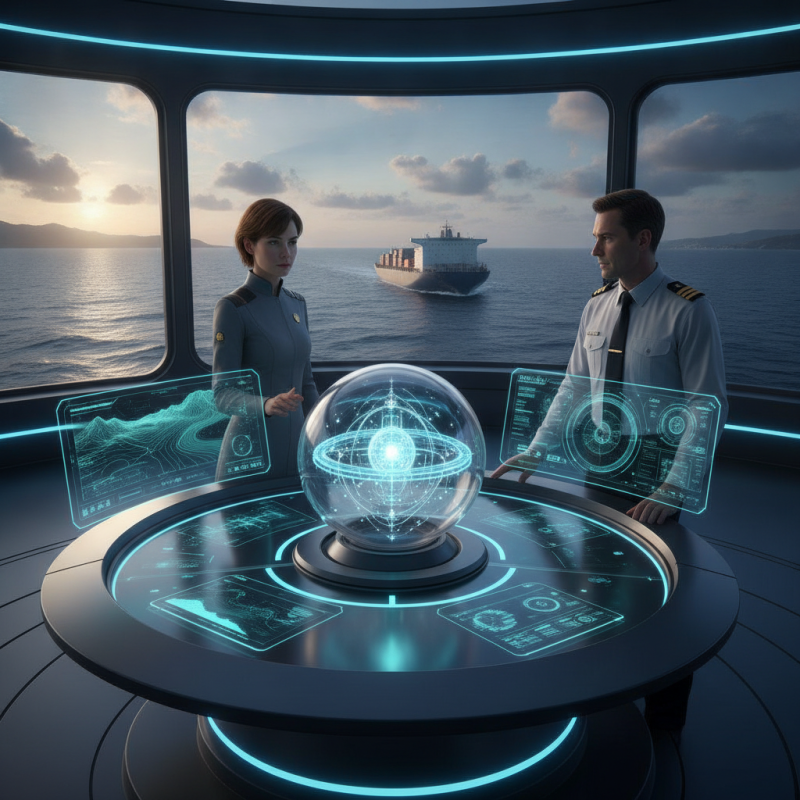
How to Use Gyroscope for Ship Navigation in 2026?

Understanding the Basics of Gyroscope Technology for Navigation

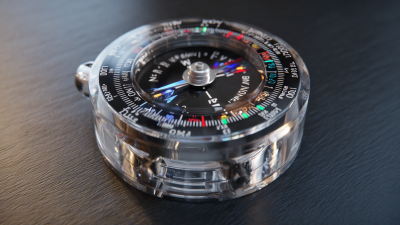
Gyroscope technology plays a vital role in modern ship navigation. It offers a reliable reference for a vessel's orientation. The gyroscope uses angular momentum to maintain its position. This allows for accurate readings even in rough seas.

According to industry reports, ships equipped with advanced gyroscopes see a 30% reduction in navigation errors. This improvement significantly enhances safety and efficiency. However, reliance on this technology also poses challenges. Regular calibration and maintenance are essential for optimal performance. Neglecting these can lead to significant navigation discrepancies.

Tips: Ensure regular maintenance checks on your gyroscope systems. This simple step can prevent costly navigation errors. Also, consider integrating additional sensors for redundancy. Diversifying navigation methods can further enhance accuracy and safety. Remember, over-reliance on a single technology can be risky.

The Role of Gyroscopes in Modern Ship Navigation Systems

How to Use Gyroscope for Ship Navigation in 2026?

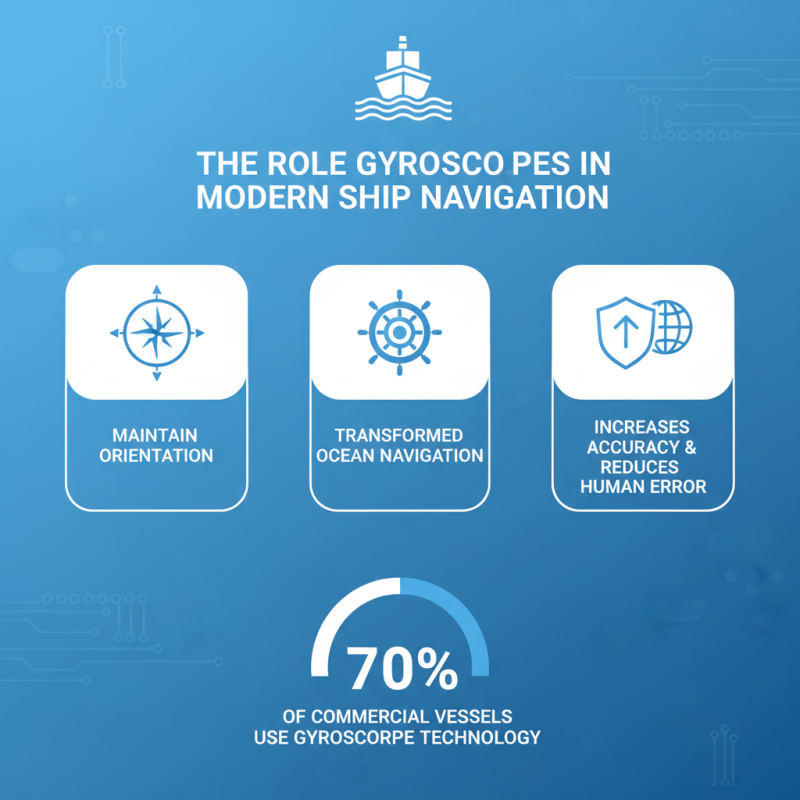
In modern ship navigation systems, gyroscopes play a pivotal role. Their ability to maintain orientation has transformed how ships navigate across vast oceans. According to industry data, over 70% of navigation systems on commercial vessels now incorporate gyroscope technology. This enhances accuracy and reduces human errors.

Gyroscope Navigation relies on the principles of angular momentum. This means that once the gyroscope spins, it will resist any change in its axis of rotation. As a result, ships can maintain a steady course, even amid turbulent waters. This technology helps in precise positioning and optimizing routes. A 2025 maritime report highlighted that vessels adopting advanced gyroscope systems improved fuel efficiency by 15%.

### Tips:
- Regularly calibrate gyroscope systems for optimal performance.
- Monitor environmental factors that may affect gyroscope readings.

However, the implementation of gyroscopes in navigation isn't without challenges. Errors can arise if not properly integrated with other navigational tools. Users should remain aware of potential deviations that may occur. Continuous training in the application of gyroscope technology can mitigate these risks.

Advancements in Gyroscope Technology by 2026

The advancements in gyroscope technology by 2026 are set to revolutionize ship navigation. Modern gyroscopes are now more compact and highly efficient. They offer real-time data, crucial for navigating challenging waters. Gyroscopes have improved accuracy in stabilizing vessels, ensuring safer journeys. As vessels become more automated, these technologies blend seamlessly into navigation systems.

Tips: Always calibrate gyroscopes before a voyage. This ensures precise readings and enhances reliability. Regular maintenance of gyroscope systems is vital. Neglecting this can lead to significant errors during navigation.

We must acknowledge that despite advancements, challenges remain. Variations in magnetic fields can still affect performance. Understanding these limitations is key to maximizing gyroscope potential. Additionally, training crews to adapt to new technologies can be a hurdle. Balancing tradition with innovation is a continuous process in maritime navigation.

Integration of Gyroscopes with Other Navigation Tools

Gyroscopes play a crucial role in ship navigation. The integration of Inertial Gyroscopes with other navigation tools enhances accuracy. In 2026, combining various technologies will be essential for maritime safety and efficiency.

Using an inertial gyroscope offers precise heading information. When paired with GPS, it provides a comprehensive navigation solution. Other tools, like autopilot systems, can automate navigation tasks. This combination minimizes human error and enhances response time. Ship operators can concentrate on decision-making rather than navigating.

Tips: Regular calibration of inertial gyroscopes is vital. Small inaccuracies can lead to significant errors. Ensure that your installation is fit for purpose. Keep the software updated to leverage new features.

Training crew members on these systems is essential. Familiarity promotes confidence and quick responses in emergencies. Encourage operational drills to test these integrated systems. This preparation can uncover hidden weaknesses and allow for improvements in navigation protocols.

Practical Applications of Gyroscopes on Ships in 2026

The role of gyroscopes in ship navigation is evolving. As of 2026, these devices enhance accuracy and reliability. According to a recent report by the International Maritime Organization, gyroscopes contribute to a 30% increase in navigational precision. This advancement is crucial for modern shipping, which demands high efficiency and safety.

Gyroscopic stabilization systems are increasingly used in maritime operations. These systems help maintain a vessel's orientation, even in turbulent conditions. This technology can reduce human error, which is responsible for nearly 80% of maritime accidents. Reports suggest that integrating gyroscopes with advanced AI could cut these incidents by 25% in the next few years. However, the reliance on technology raises questions about preparedness for unexpected failures.

Implementing gyroscopes involves challenges. Initial costs can be significant, with some estimates suggesting up to $500,000 per installation. Maintenance is another concern, as regular calibration is essential for optimal performance. Ship owners must weigh these factors against potential savings from reduced fuel consumption and smoother journeys. The maritime industry is at a crossroads, where embracing gyroscopes could redefine navigation while also demanding critical assessment of technology's limits.

Challenges in Implementing Gyroscopes for Navigation

Implementing gyroscopes for ship navigation presents unique challenges. Accuracy is crucial for safe maritime travel. Traditional gyrocompasses have served well, but advancements like the Fiber Optic Gyroscope (FOG) raise new questions. These devices can provide precise orientation data, yet their integration requires careful consideration.

One significant challenge is environmental interference. Larger ships often operate in complex marine conditions. Factors such as water currents and magnetic fields can disrupt gyroscope performance. Adding FOG technology does not eliminate this vulnerability. Experienced navigators need to understand these limitations for effective use.

Cost also plays a role. High-quality gyroscopes, like FOGs, can be expensive. Smaller shipping companies may struggle to invest in the latest technology. Balancing cost with enhanced accuracy is a delicate equation. While FOGs can improve navigation reliability, their implementation might not be feasible for all vessels. Reflecting on these challenges is essential for maritime professionals as they explore future navigation options.

Future Trends in Gyroscope Usage for Maritime Navigation

As maritime navigation evolves, gyroscopes will play an increasingly crucial role. In 2026, advancements in gyroscopic technology promise to enhance ship navigation. Modern ships will likely rely on gyroscope stabilization to maintain course, even in turbulent waters. This technology provides real-time data about a ship's orientation. Such precision will improve safety and enhance the efficiency of maritime operations.

Integrating artificial intelligence with gyroscopic systems could transform navigation. AI can analyze data more rapidly and make informed adjustments. However, reliance on technology raises concerns. What happens if a system malfunctions? Moreover, training crew members to understand these systems thoroughly is essential. A nuanced skill set will be required for effective monitoring and control of gyroscope stabilization.

The future of gyroscopes in navigation isn’t entirely clear. Industry experts must address potential vulnerabilities and ensure reliability. Regular maintenance will also be a critical factor. As maritime transport continues to expand, ensuring the dependability of gyroscope systems is essential for future success. Emphasizing cybersecurity will be vital as well. In this rapidly changing environment, a balance between innovation and caution is necessary.

Gyroscope Usage for Maritime Navigation in 2026

FAQS

: What is the primary function of gyroscopes in ship navigation?

: Gyroscopes provide a reliable reference for a vessel's orientation using angular momentum.

How do gyroscopes improve navigation accuracy?

They reduce navigation errors by about 30%, enhancing safety and efficiency onboard.

What challenges are associated with gyroscope technology?

Regular calibration and maintenance are crucial; neglect can lead to navigation discrepancies.

Why is it important to maintain gyroscope systems regularly?

Regular checks can prevent costly navigation errors and ensure optimal performance.

How can integrating additional sensors benefit navigation?

It enhances accuracy and safety by providing redundancy in navigation methods.

What are the potential risks of relying solely on gyroscopes?

Over-reliance can be risky, especially if unexpected failures occur.

How are gyroscopic stabilization systems beneficial?

They help maintain a vessel's orientation in turbulent conditions, reducing human error.

What is the financial consideration for implementing gyroscopes?

Initial costs can be substantial, with estimates around $500,000 per installation.

How might gyroscopes and AI affect maritime accidents?

Integrating these technologies could potentially reduce incidents by 25% in coming years.

What should ship owners consider before adopting gyroscopes?

They need to assess installation costs against long-term savings from improved efficiency.

Conclusion

The article "How to Use Gyroscope for Ship Navigation in 2026?" explores the essential role of gyroscope technology in the evolution of maritime navigation systems. It begins with a foundational understanding of gyroscopes and their significance in modern navigation, highlighting how these devices enhance accuracy and reliability. As we approach 2026, advancements in gyroscope technology are set to revolutionize ship navigation by integrating seamlessly with other navigational tools, improving overall efficacy.

However, the implementation of gyroscope ship navigation comes with challenges, including complexity in integration and the need for technical training. Practical applications on ships will be pivotal, showcasing the current capabilities and future potential of gyroscopes in this field. The article concludes by discussing emerging trends that suggest a growing reliance on gyroscopes, predicting their pivotal role in the maritime navigation landscape of the future.
Charlotte

Charlotte

Charlotte is a seasoned marketing professional at Poseidon, a pioneering company established in 2013, specializing in the research, design, and production of cutting-edge fiber optic gyroscopes (FOG), inertial navigation systems (INS), and advanced autonomous driving systems. With a deep......
Previous Top 10 Benefits of OEM Wholesale Strapdown IMU for Modern Applications?