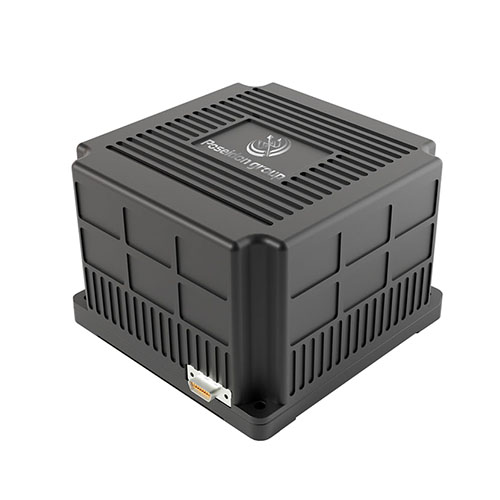
 TBSD60
 BSD120
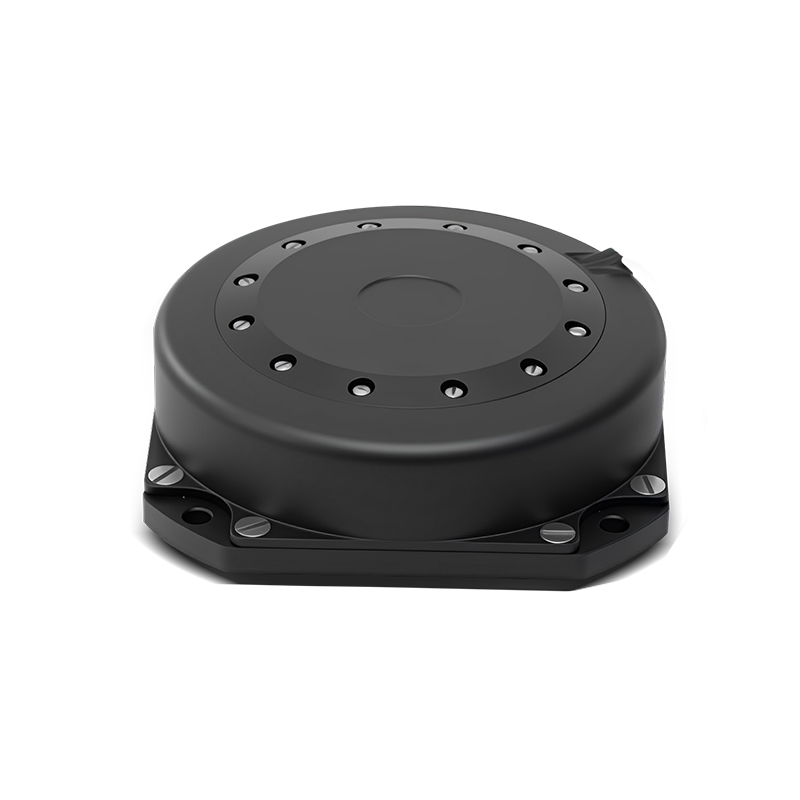 BSD98
BSD98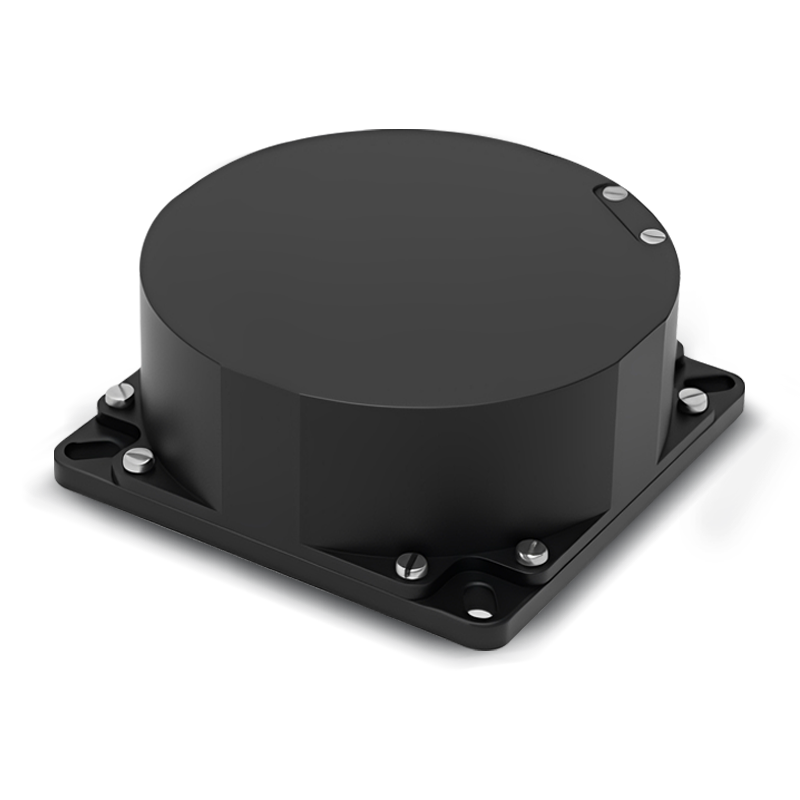 BSD70
BSD70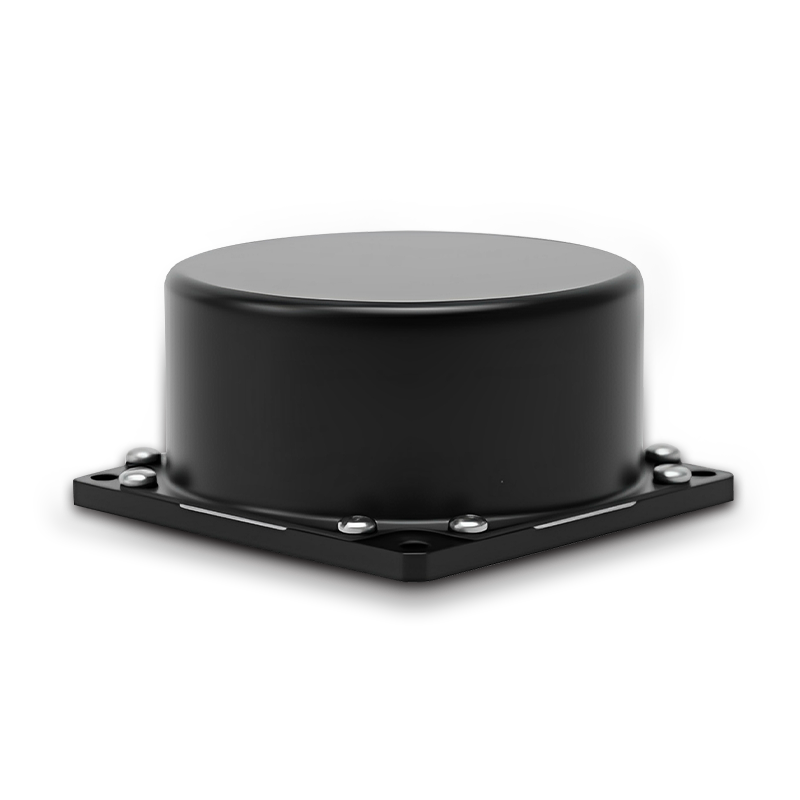 BSD60
BSD60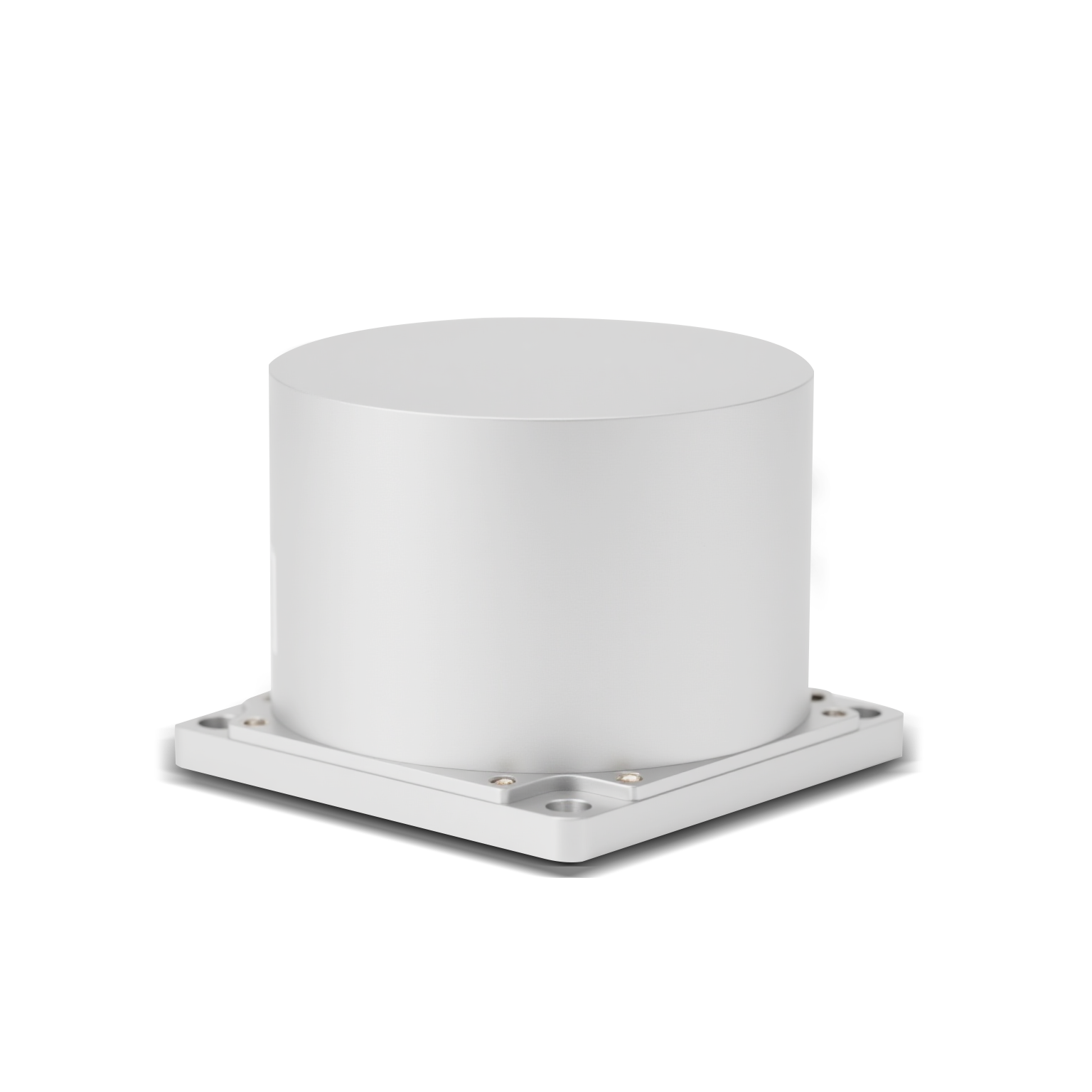 BSD50
BSD50 BSD217
 INS1700
 INS970
 INS570
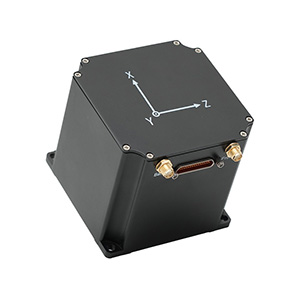 INS170
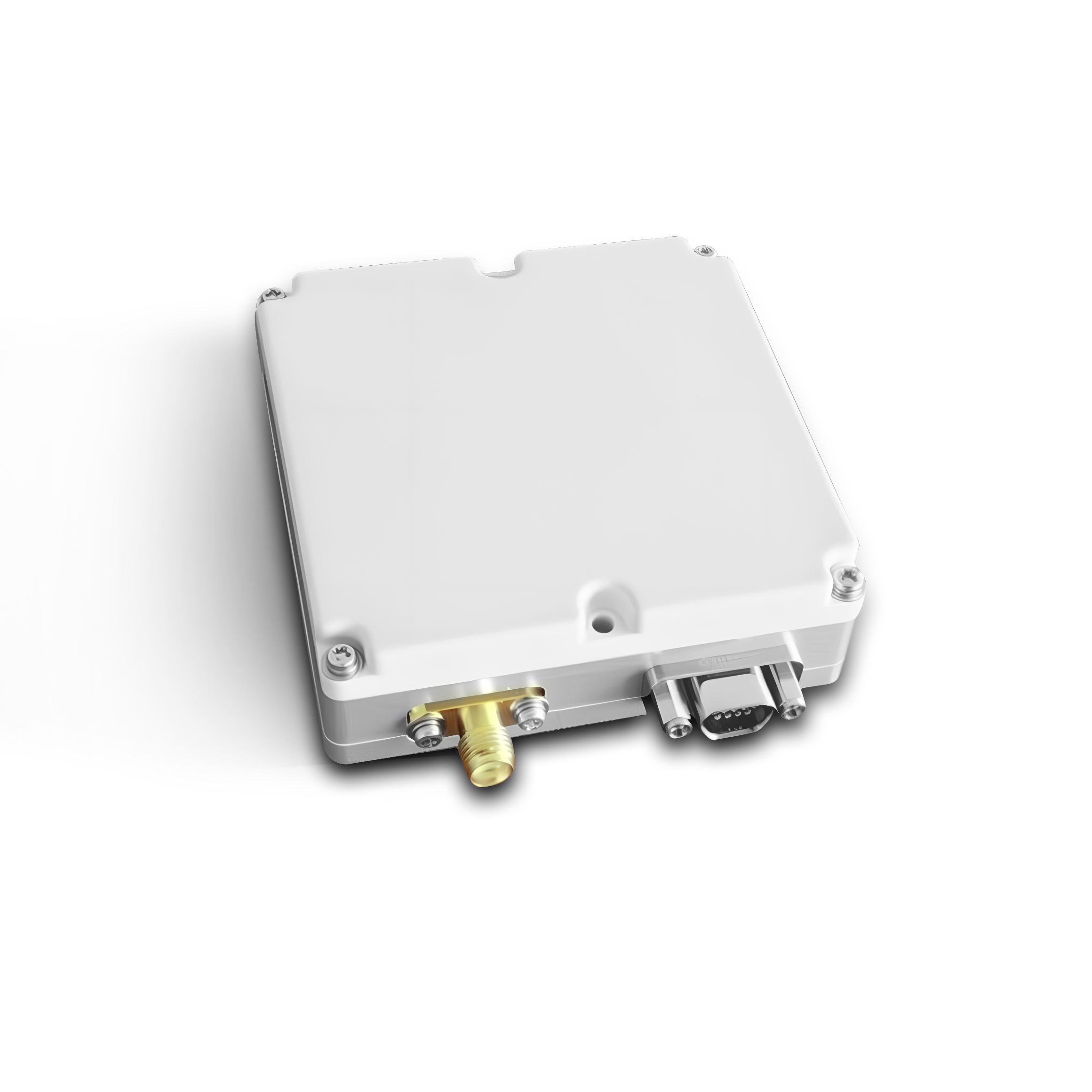 SLA-4B1L1-65
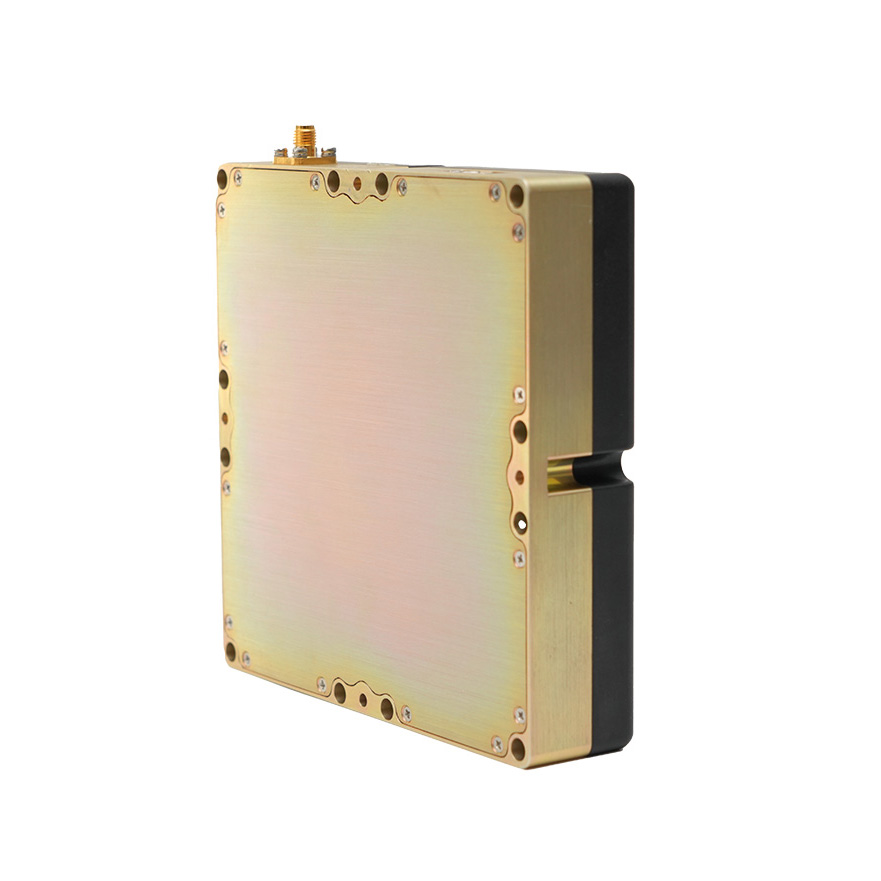 SLA-4B1L1-130
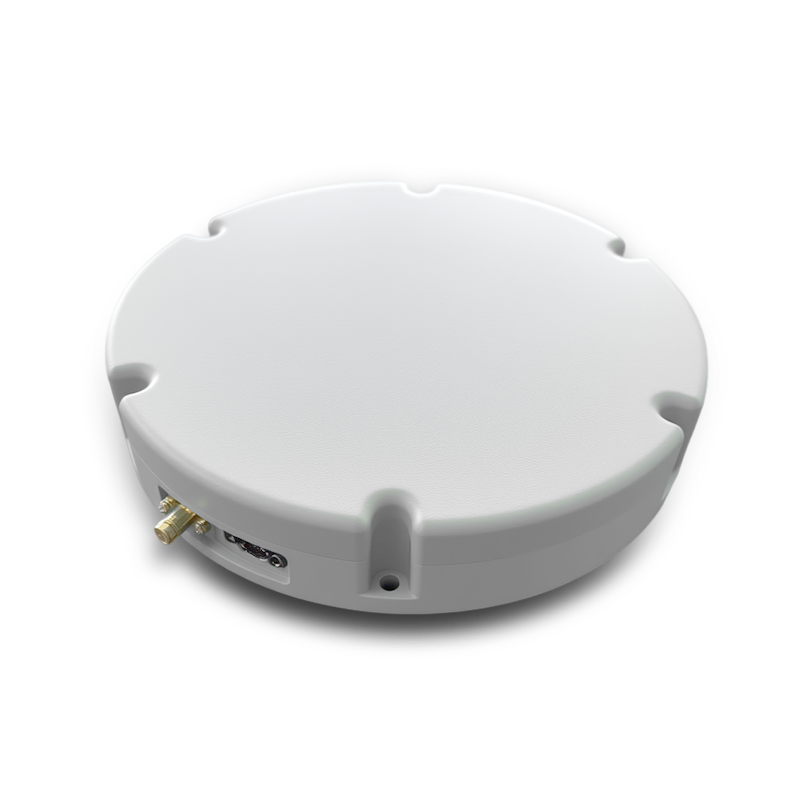 SLA-8B1L1-165
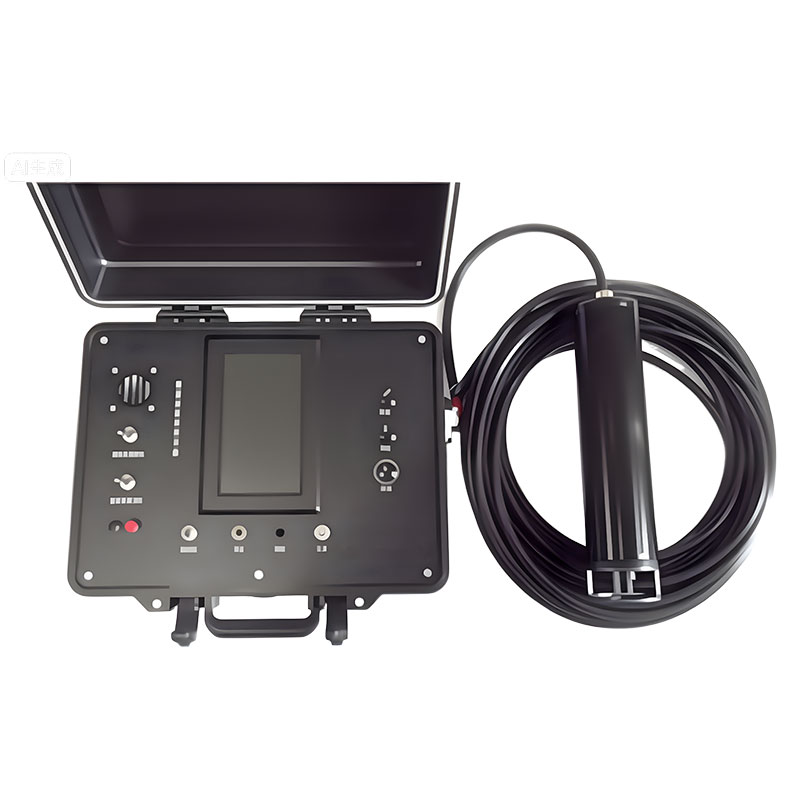 DIVER 101
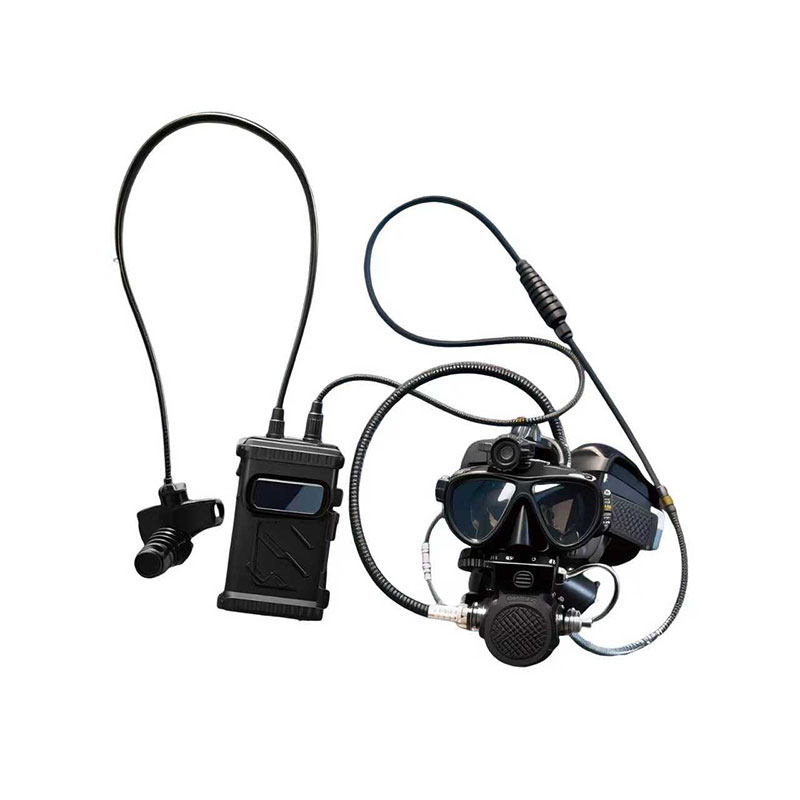 DIVER 102
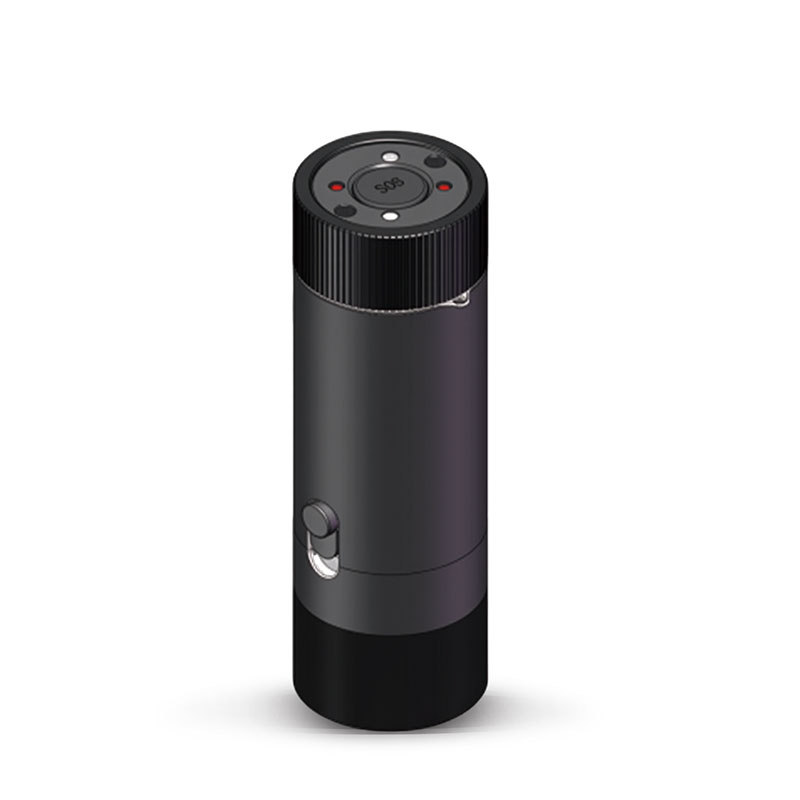 DIVER 103
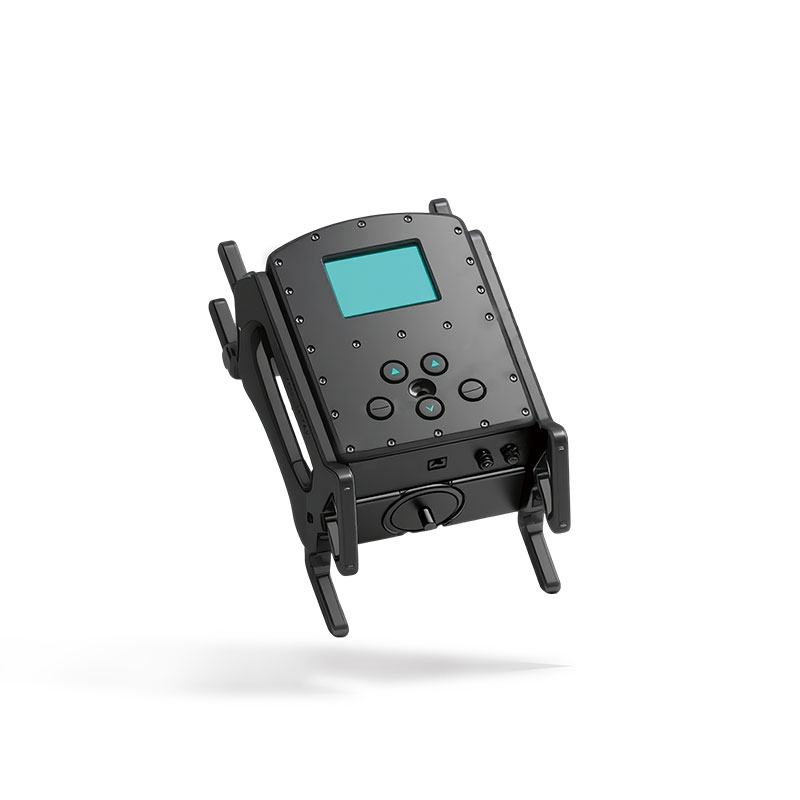 DIVER 104
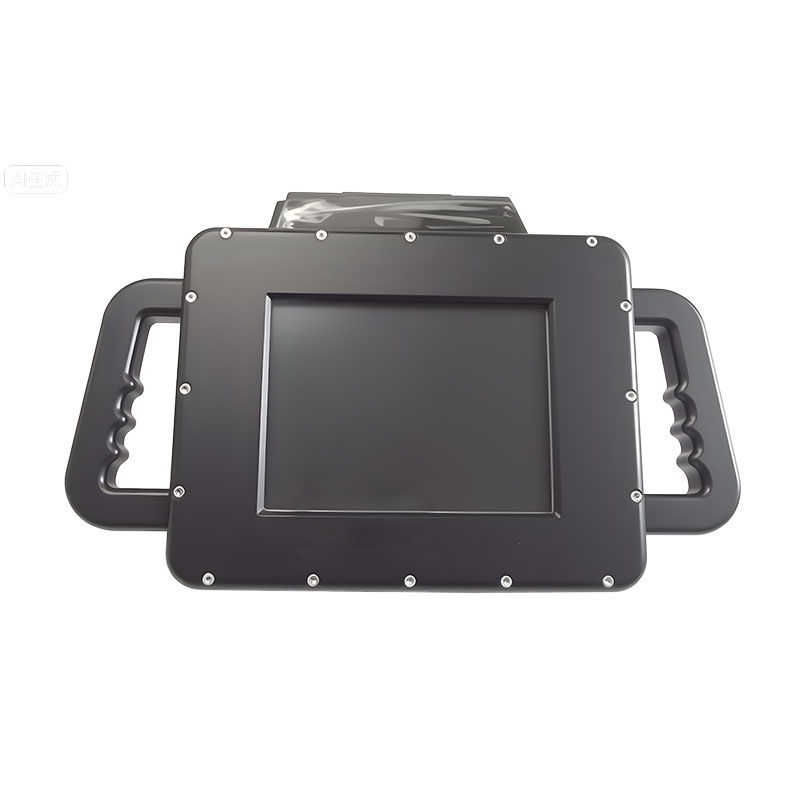 DIVER 105
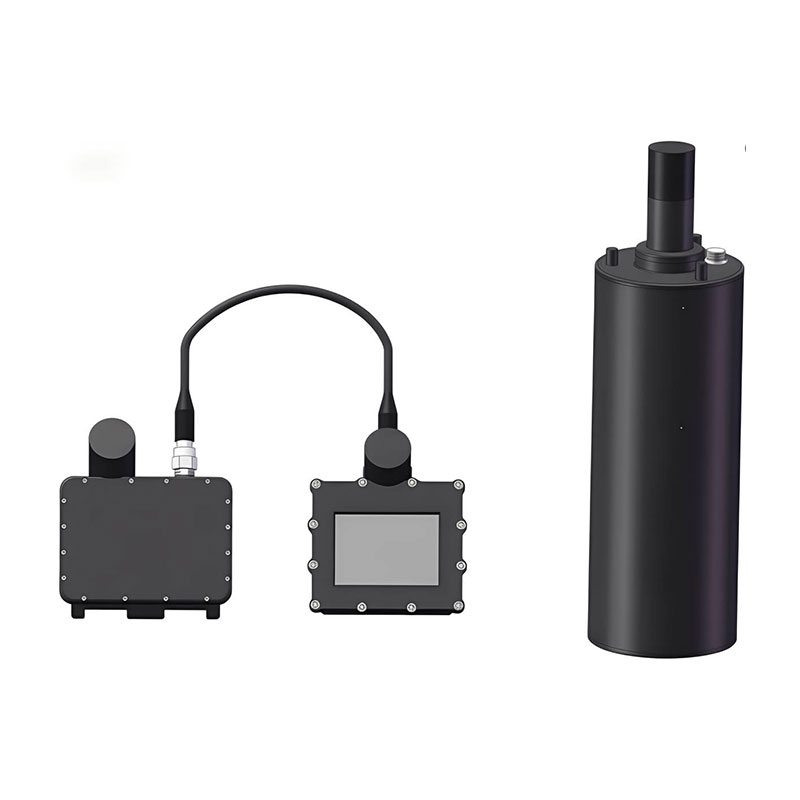 DIVER 106
 SLLR3000
 SLLR905
 SLLD25
 160M
160M 170M
170M SLFC-70
 SLAF280
 MR360
MR360
Leave Your Message
You know, the maritime industry is always changing, and when it comes to navigation, precision and reliability are absolutely vital. That’s where Gyroscope Ship Navigation steps in, providing an unmatched level of accuracy and stability for ships out there on the open water.
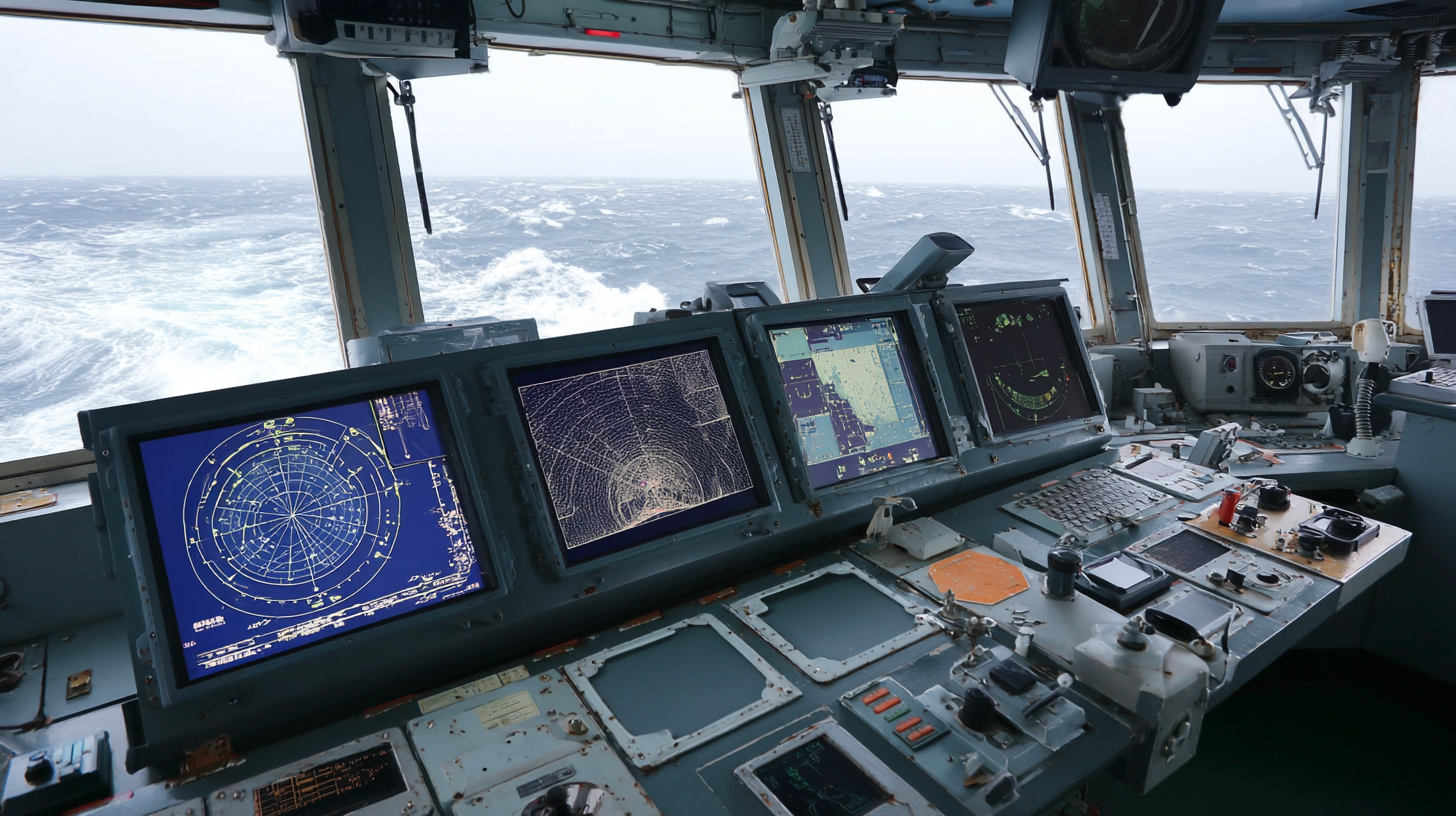 Poseidon International Group (Hong Kong) Limited, which kicked off back in 2013, has really made a name for itself in this area. They focus on independent research, design, and the production of top-notch fiber optic gyroscopes (FOG) and inertial navigation systems (INS). By tapping into cutting-edge technology and locking down several technical patents, Poseidon is leading the charge in reinventing maritime operations.
In this blog, we’re going to dive into the fantastic benefits of Gyroscope Ship Navigation, look at some of the common hurdles folks face in this field, and explore how Poseidon’s innovative solutions can open up new levels of precision in maritime operations. This way, we can ensure safer and smoother journeys for everyone out there sailing the seas.
Poseidon International Group (Hong Kong) Limited, which kicked off back in 2013, has really made a name for itself in this area. They focus on independent research, design, and the production of top-notch fiber optic gyroscopes (FOG) and inertial navigation systems (INS). By tapping into cutting-edge technology and locking down several technical patents, Poseidon is leading the charge in reinventing maritime operations.
In this blog, we’re going to dive into the fantastic benefits of Gyroscope Ship Navigation, look at some of the common hurdles folks face in this field, and explore how Poseidon’s innovative solutions can open up new levels of precision in maritime operations. This way, we can ensure safer and smoother journeys for everyone out there sailing the seas.
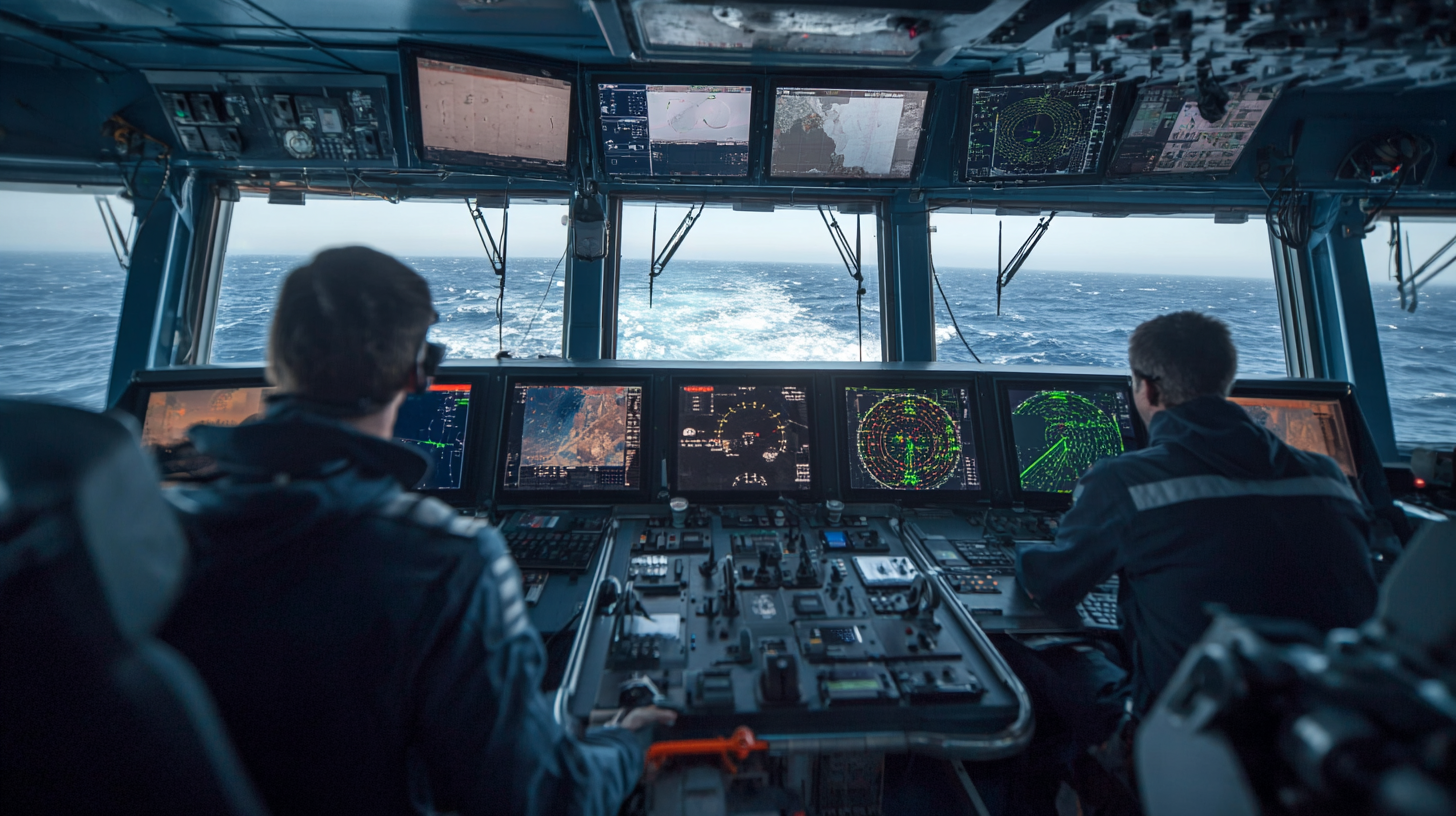
You know, gyroscopes are pretty essential when it comes to navigating modern ships. They provide all the important data that makes maritime operations not just more precise but also a whole lot safer. By using the awesome principles of angular momentum, gyroscopes help keep a ship steady and oriented, especially when the weather gets rough. The info they give lets navigators accurately pinpoint where the ship is headed and track its position over time. This is super important for making those tricky maneuvers and course adjustments that can really save the day.
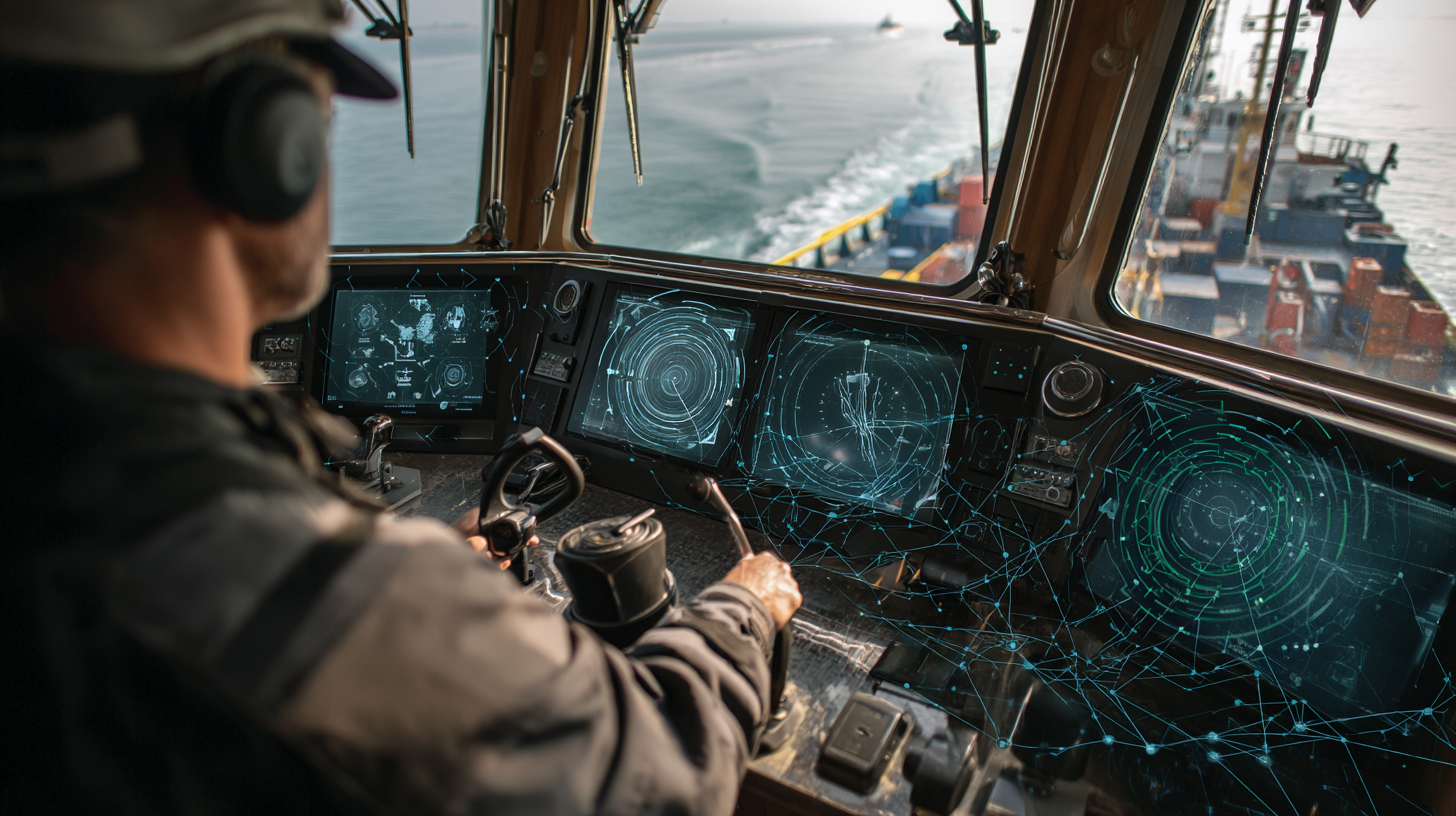
But wait, there's more! When you combine gyroscopic systems with cutting-edge tech like GPS and autopilot, the efficiency goes through the roof. These systems team up to give real-time feedback, which is a game-changer for decision-making when things get hectic out there on the water. Gyroscopes can measure all sorts of movements—like pitch, roll, and yaw—helping to reduce the risks posed by natural forces acting on the vessel. This means smoother journeys and improved safety for everyone on board, not to mention the cargo.
As the maritime world keeps evolving, it looks like we’re going to lean even more on gyroscopes. They're definitely paving the way for better precision in navigation and overall excellence in operations. It’s pretty fascinating stuff!
: Accuracy is crucial in marine navigation systems because even minor errors can lead to significant consequences, such as collisions or grounding of vessels. Advanced gyroscopic navigation systems enhance the precision of maritime operations, allowing vessels to maintain their intended course reliably.
Gyroscopic navigation systems detect orientation changes and provide real-time data that enhances navigation precision. They are particularly effective in stabilizing vessel movements, even in turbulent sea conditions.
It is recommended to integrate multiple navigational aids, such as GPS and radar, along with gyroscopes. This combination provides a more comprehensive understanding of the vessel's positioning and enhances overall navigation accuracy.
Regular calibration of gyroscope systems is essential for optimal performance. Additionally, routine maintenance checks on navigation systems and timely software updates are necessary to leverage the latest advancements in technology.
Gyroscopes, especially fiber optic gyroscopes (FOG), offer superior accuracy and stability compared to traditional navigation methods that rely on compass readings and manual adjustments. Gyroscopes reduce human error and enhance operational efficiency in challenging conditions.
Gyroscopic systems provide resistance to external disturbances, enabling smoother navigation during turbulent conditions. This not only enhances crew safety but also reduces wear and tear on the vessel, leading to lower maintenance costs.
Investing in training for crew members ensures they become familiar with gyroscopic technology, allowing them to troubleshoot issues effectively and make informed decisions during challenging navigation scenarios.
Innovations such as laser ring gyroscopes (LRGs) and MEMS (Micro-Electro-Mechanical Systems) gyroscopes are expected to set new standards for precision in ship navigation. These advancements offer high accuracy and are cost-effective, likely leading to substantial growth in the market for maritime applications.
By improving navigational accuracy and reducing errors, gyroscope technology enhances operational efficiency in maritime operations, making them safer and more reliable amidst busy and complex shipping routes.